
Our selection of materials is more critical than ever in a world where sustainability is no longer a “nice-to-have” but a “must-have.” Tissue paper may appear to be a minor component of our daily lives a quick wash here, a napkin there but the reality is that the environmental impact of conventional tissue production is substantial.
Upon arriving at GoTo Wipes, we resolved to reconsider the fundamental principles of tissue paper. We opted for bamboo instead of adhering to the traditional method of using tree based wood cellulose, which is both more environmentally friendly and less common. These are the reasons.
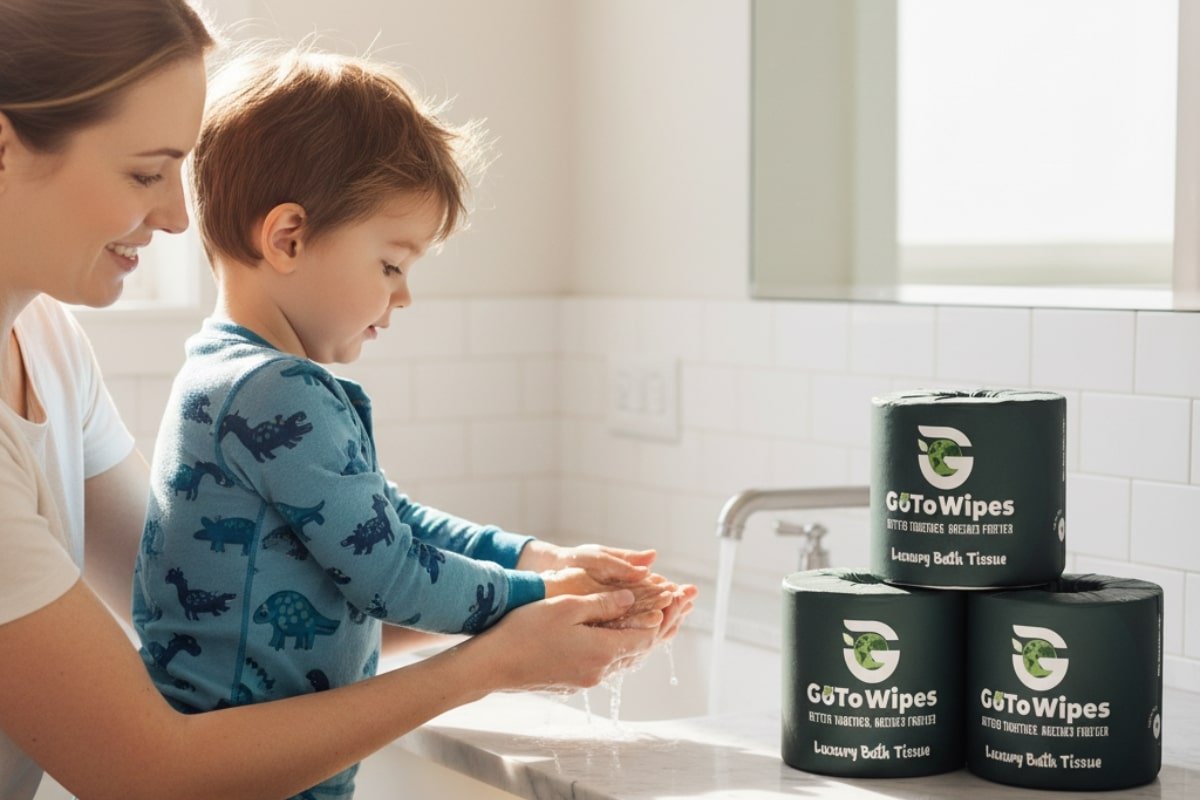
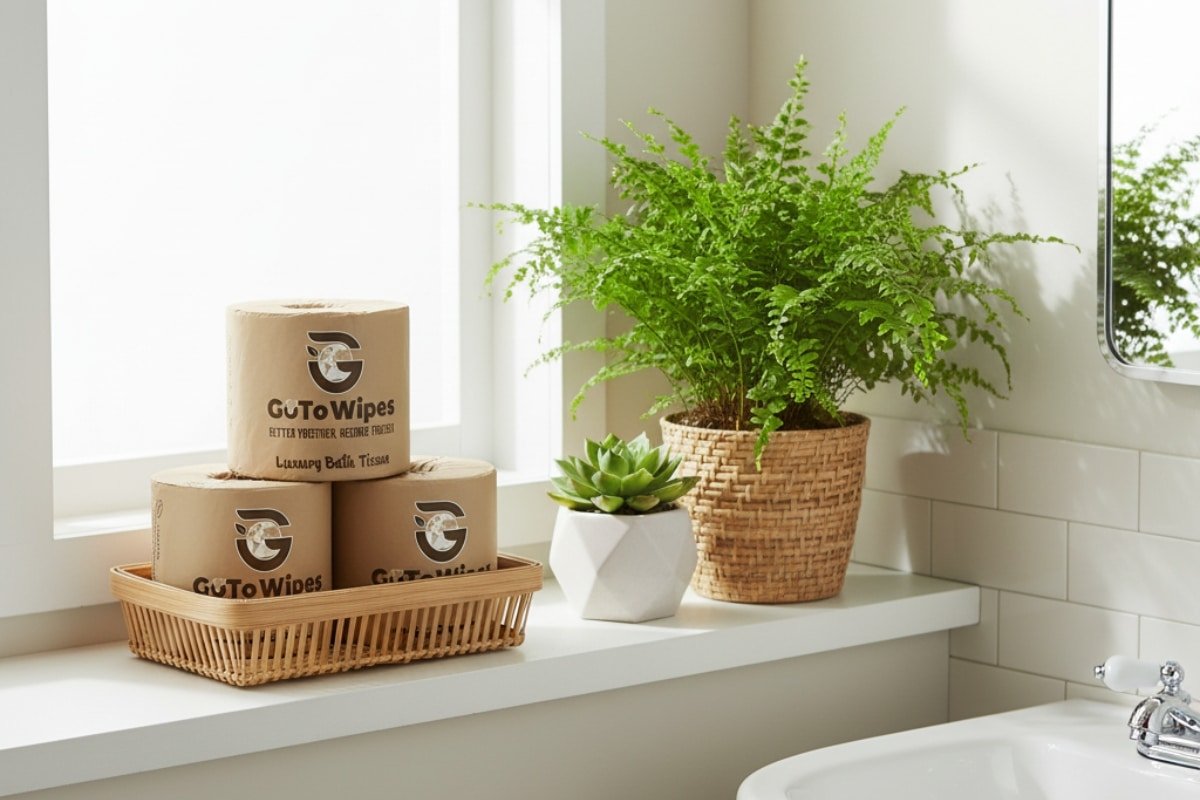
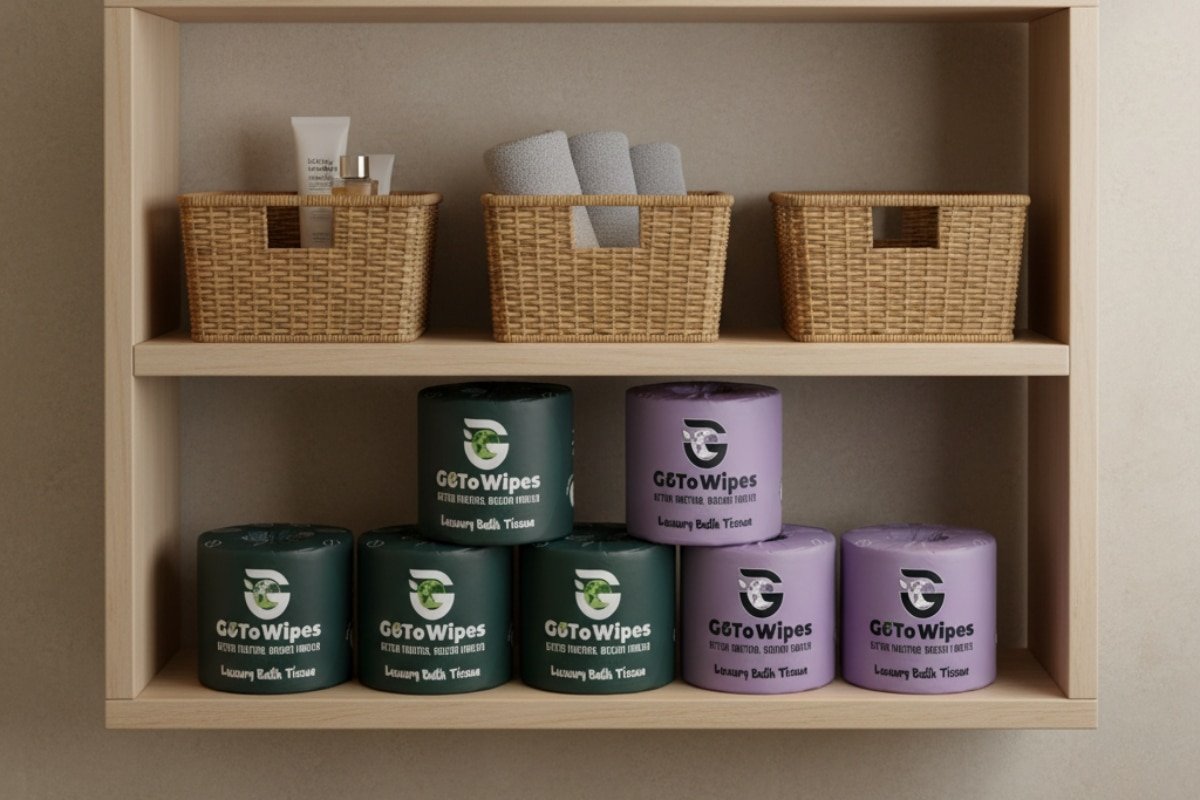
Traditional wood pulp's environmental consequence
Traditionally, tissue paper is predominantly composed of virgin tree fiber. That is, trees, frequently from old growth forests are felled, processed and transformed into the paper products we use for a brief period before discarding them.
There are astounding figures:
Before certain trees are harvested, they may require up to 30 years to reach maturity. In several countries, the pulp and paper industry are the third largest industrial polluter of air, water and land. Chemicals such as chlorine are necessary for disinfection and substantial quantities of water, energy and chemicals are required for traditional tissue production.
Furthermore, what of the final product? Frequently, this substance ends up in the trash. At this point, it is untenable to disregard the discourse regarding sustainability and pollution.
Let's introduce bamboo, the verdant marvel of nature.
Bamboo is frequently referred to as the “world’s fastest growing plant” and here is why? Some species have the potential to grow to a height of three feet in a single day. Unlike trees, bamboo regenerates without the necessity of replanting after being cut. It is a renewable superstar solely because of this reality.
Bamboo is a plant that utilizes minimal water, flourishes without pesticides and contributes to the absorption of carbon dioxide at a rate that is significantly higher than that of many trees, in addition to its speed of growth. Therefore, it is already contributing to the planet as it expands.
Strength and Softness
People often misinterpret ecofriendly products as implying a compromise on quality. However, bamboo tissue paper reverses this narrative. Naturally, bamboo fibers are supple, robust and smooth. That is to say, GoTo Wipes bamboo tissues are not only more environmentally friendly, but they are also more durable and supple than many traditional tissues.
You will promptly detect the distinction when you employ a bamboo tissue:
The texture is not abrasive.
Lack of shredding during use
The texture provides a gentle touch that soothes the skin.
We explicitly consider individuals with allergies or sensitive skin when developing GoTo Wipes and this feature is particularly crucial for them.
Energy factor
Processing bamboo into tissue necessitates significantly less energy and compounds than that of wood fiber. There is no need for severe bleaching when using bamboo fibers and the production process generates fewer contaminants in general.
For example, chlorine based disinfection is a significant contributor to toxic waste in the traditional pulp making process, frequently contaminating rivers and lakes. GoTo Wipes reduces the carbon footprint and chemical burden on the environment by avoiding that route.
A Major Success for Biodiversity
Deforestation for wood fiber not only removes trees but also destroys the habitats of numerous species. Rare mammals, animals and vegetation rely on certain forests for their survival. We mitigate this habitat loss by transitioning to bamboo.
Bamboo can be grown on degraded land or farmland, so it does not compete with forests. It is possible to harvest the same tract of land multiple times without causing any damage to the surrounding ecosystem due to its rapid regrowth.
Dedication Beyond the Product
The narrative extends beyond the tangible. GoTo Wipes is dedicated to sustainable packaging, ethical sourcing and continuous innovation to enhance the environmental sustainability of our operations. We collaborate with vendors adhering to equitable labour standards and choose packaging materials that are recyclable or biodegradable.
Sustainability is not only a marketing strategy for us, it is a commitment we uphold with utmost seriousness.
The Customer's Role in Eco-Friendly Behaviour
Choosing an item from a store for ourselves is a preference for the type of reality people would prefer to inhabit. Changing from traditional wood pulp to bamboo tissue paper may be a better alteration to your daily routine.
Consider a scenario in which millions of families are converted to bamboo tissues in place of tree fiber. The demand for cellulose from trees would experience a significant decline, thereby reduce deforestation and provide forests with an opportunity to recover.
Make a decision.
Pollution, climate change and the diminishing biodiversity necessitate immediate attention. In today’s time they are having an impact on everyone. By reevaluating common place items such as tissue paper, we can make a significant impact with a minimal investment.
Bamboo is not only more environmentally friendly, but it is also more efficient, intelligent and long lasting. A pioneering company such as GoTo Wipes has made the transition more straightforward than ever.
Ultimately Destroying
Although conventional wood pulp was the ultimate standard for an extended period, it is now evident that it is no longer feasible. Bamboo possesses all of the fundamental attributes: tenderness, strength and renewability, all without having a substantial environmental impact.
GoTo Wipes bamboo tissue paper is not merely a product; it is an experience. Thanks to your involvement in this campaign, you may achieve a more sustainable and cleaner future, one tissue at a time.